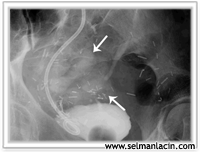
 This rare type of cancer accounts for 1% of cancers originating from the female reproductive system. On average, it is more common in women between the ages of 45-65.
Vagina cancer arises from the multilayered epithelial cells lining the inner surface of the vagina, and almost all of it is squamous type cancer, that is, consisting of multilayered flat cells like the cells that form the skin. Just like sexually transmitted diseases such as cervical cancer and vulva cancer. human papillomavirus (HPV) It is thought that infection causes vaginal cancer.
Cancer that develops on the vaginal surface is sensitive to trauma. With this feature, especially during and after intercourse, it is more or less to bleed causes. A watery discharge may also be one of the complaints. Additionally, in advanced stages, it may cause complaints about these organs due to its proximity to the bladder and large intestine. There may also be complaints of urination problems, burning, bleeding and pain during urination, pain and bleeding during defecation. Sometimes, it can be detected incidentally during routine checks when there are no complaints. During gynecological examination, bleeding scar tissue or tumoral area is seen on the vaginal wall. A definitive diagnosis is made by examining the biopsy taken from this area. Also have cervical cancer screening smear test It is also very useful in the early diagnosis of vaginal cancers.
Treatment of vaginal cancers depends on the location of the cancer in the vagina and the size of the cancer. If the cancer is located at the top of the vagina, in the area close to the cervix, that is, in the upper part, the uterus and the upper 1/3 of the vagina are surgically removed. Removal of the lower abdominal area lymph nodes is also added to this procedure. Radiotherapy (Ray therapy) is applied after surgery. If the cancer is located in the middle part of the vagina, surgery is not applied, only radiotherapy is applied. If the cancer is located at the entrance of the vagina, that is, in the lower 1/3 part, close to the vulva, the lower 1/3 part of the vagina together with the external vagina is surgically removed. Radiotherapy is also added to this treatment.
Average in vaginal cancers 5 year survival The rate is 40-45%. While this rate is 70% in the early stages, it drops to 15% in those with advanced disease. Sexual intercourse problems that occur after the treatment of vaginal cancer can be solved with reconstructive (plastic) surgery methods.
For the gynecological cancers home page, please Click here.