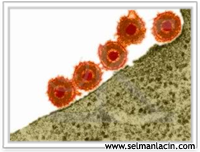
 The problem popularly known as herpes is a microbial infection caused by the virus called Herpes Simplex (HSV). In fact, herpes infection is one of the most common infections in the world.
Most of the time, this infection is harbored in the body silently without any complaints. There are 2 types of HSV: HSV1 and HSV2. While HSV1 generally causes the well-known herpes-like sores around the mouth, HSV2 generally causes problems in the genital organs. After the virus is first introduced into the body and causes infection, it can remain silent in the nearest nerve nodes for years and cause re-infection in the appropriate environment and time. As we all know, this is usually the time when body resistance decreases.
What are the symptoms?
Although the symptoms vary from person to person, in the first attack, burning, itching, pain in the legs, mild pain in the hip and genital area, vaginal discharge, and a feeling of fullness in the abdominal cavity may be observed, usually after a period of 2 days to 2 weeks after exposure to the virus. Following these initial findings, herpes-like sores appear around the genital organs a few days later. They may be painful and tender. They usually disappear within 3-4 days. However, the virus does not disappear completely and continues to reside in the body and generally appears periodically. During these relapses, viruses travel along the nerves and form new wounds, usually near the areas where the initial infection occurred. Since the virus spreads through vaginal secretions during these periods, the woman can also transmit the disease to her sexual partner.
diagnosis
It is quite easy to make the diagnosis in the presence of visible lesions. Sometimes, in suspicious cases, some laboratory tests may be required. The best way to do this is to perform viral culture on material taken from lesions during active infection. However, this is a very costly technique and failure to produce virus does not necessarily mean that there is no disease. Therefore, immunological tests, which are simpler and performed on blood, are generally used. However, these tests generally determine whether the person has had an infection at any time in his or her life and whether the immune system has developed antibodies against the virus. Even if there are antibodies specific to this disease, they do not protect the person from new infections.
How is the treatment done?
Today, there are different medications available for the treatment of Herpes, but these medications cannot provide definitive treatment. Since it is a viral infection, known antibiotics are ineffective.
Medications reduce the severity of the attack, shorten its duration, and reduce the frequency of subsequent attacks. People with HSV infection can reduce the duration of the infection and contagiousness by following a few simple rules. The simplest but most important of these precautions is to keep the infected area clean and dry. It is extremely important not to touch the area with herpes or to wash your hands immediately after touching it. It is also important to avoid sexual intercourse until the lesions are completely healed. Recurrent infections occur in situations that reduce body resistance, such as trauma, cold, menstruation or stress.
Are there any other risks?
Genital Herpes infection brings with it some risks. However, it does not have any significant effects that may affect long-term quality of life. People in situations where general body resistance decreases, such as pregnancy, should be carefully monitored for active infection. If the first attack of Herpes occurs during pregnancy, then the virus can pass to the baby and there is always a risk of premature birth in such pregnancies. Neurological damage and death occur in 50% of babies who come into contact with the virus and become infected while in the womb. Brain inflammation, eye problems, and serious rashes occur in babies, but most of these babies benefit from antiviral drug treatments. The risk in babies largely depends on whether the mother's attack is the first or recurrent attack.
As a method of delivery in cases where active genital herpes is suspected cesarean section is preferred. If there is no active infection, cesarean section is not necessary.